
Community Property vs. Separate Property
The first step in any Texas property division is sorting what you own into two groups.
Separate property (Tex. Fam. Code §3.001) includes:
- Property a spouse owned before the marriage
- Property a spouse received during the marriage by gift or inheritance
- Recovery for personal injuries, except for lost earning capacity during the marriage
Community property (§3.002) is everything else either spouse acquired during the marriage. Paychecks, retirement contributions, the home bought together and stock awards earned during the marriage are usually community property, no matter whose name is on the account.
Under §3.003, property held by either spouse when the marriage ends is presumed to be community. A spouse who claims something is separate must prove it by clear and convincing evidence. That usually means records showing where the money came from.
What "Just and Right" Means
A judge divides the community estate in a manner the court considers "just and right" (§7.001). That can be an equal split, but it does not have to be. Courts may consider factors such as:
- Each spouse's earning capacity and job prospects
- Differences in health and age
- Who will have primary care of the children
- Fault in the breakup, such as adultery or cruelty, in some cases
- Wasting of community assets by one spouse
- Each spouse's separate property
A court cannot award one spouse's separate property to the other spouse. In practice, most couples agree on a division, through negotiation or mediation, rather than leaving it to a judge.
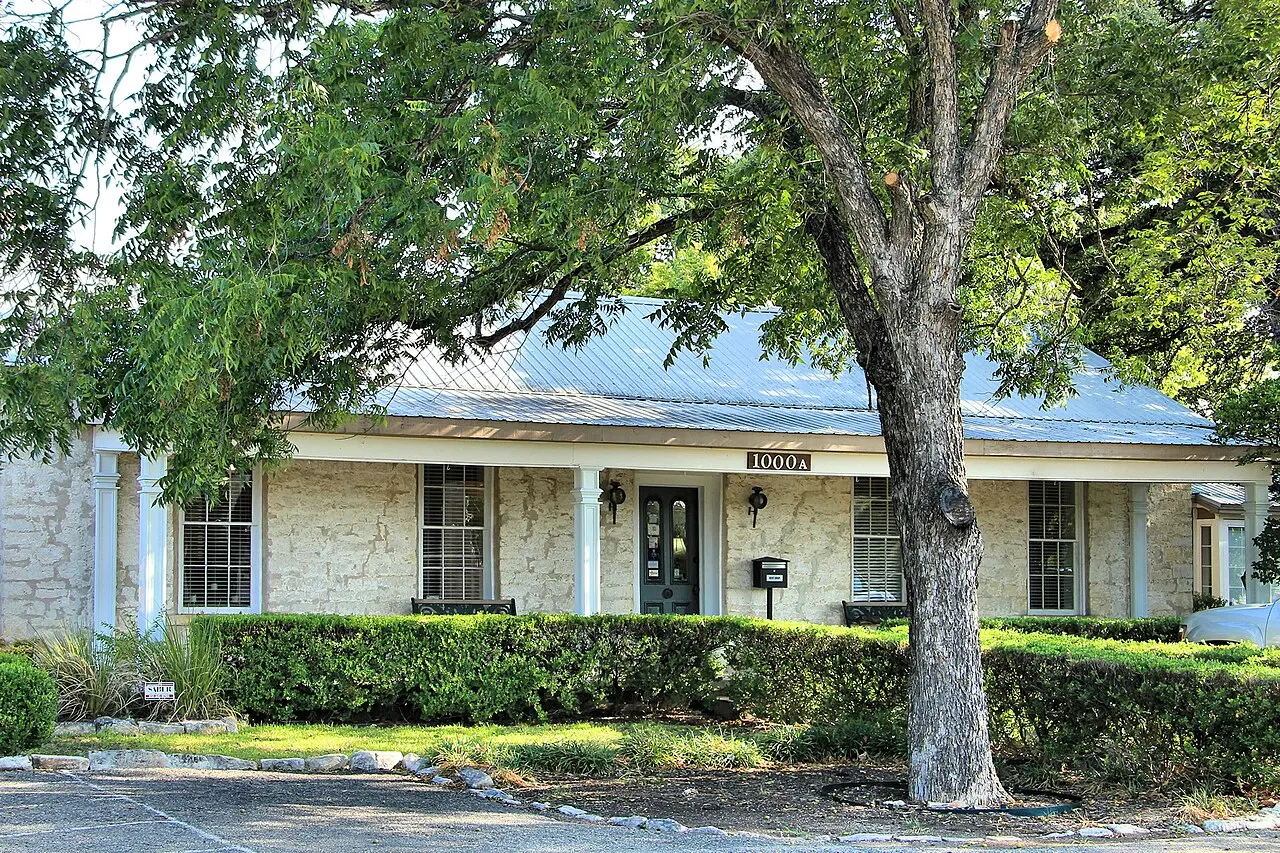
The House
For many Williamson County families, the home is the largest asset. Rising values in neighborhoods like Teravista, Brushy Creek and Forest Creek mean there may be significant equity to divide. Common options include:
- One spouse keeps the house and refinances to remove the other from the mortgage, often offsetting the equity with other assets.
- The house is sold and the proceeds are split.
- Both keep it for a time, for example until a child finishes school, with clear rules about payments and a sale date.
If the down payment came from one spouse's separate funds, that spouse may have a claim for reimbursement or a separate share. Our article who keeps the house covers the choices in more detail.
Retirement Accounts and Pensions
The part of a 401(k), IRA or pension earned during the marriage is generally community property. The part earned before marriage may be separate. Dividing an employer plan usually requires a qualified domestic relations order, or QDRO, which tells the plan how to pay the other spouse. Williamson County's Local Rules call for QDROs to be presented when the decree is signed, so plan ahead. See retirement accounts and QDROs.
Stock Options, RSUs and Bonuses
Equity compensation is common in Round Rock, where many residents work for Dell, Apple, Samsung's Taylor plant or Austin tech companies. Questions that come up include:
- How much of an unvested RSU grant is community property, given that it was granted during the marriage but vests after the divorce?
- Who pays the tax when shares vest or are sold?
- How is a bonus earned during the marriage but paid after the divorce treated?
Each grant should be listed in the decree by date and number of shares. Our page on divorce for tech employees explains more.
Debts
Debts incurred during the marriage are generally divided along with assets, even if only one spouse signed. That includes credit cards, car loans, student loans in some cases, and tax liabilities. Keep in mind that a divorce decree binds the spouses, not the lenders. If your ex fails to pay a joint debt assigned to them, the creditor may still come to you. Refinancing or closing joint accounts protects you.
Cars, Bank Accounts and Household Goods
Everyday property gets divided too. Vehicles are usually awarded to the spouse who drives them, along with the loan that goes with them. Checking and savings accounts are often split as of a set date, with adjustments for bills paid from them during the case. Household goods, from furniture to the kids' bikes, are typically divided by agreement. It rarely makes sense to pay for legal time to argue over items that would cost less to replace.
Some items carry emotional weight beyond their value: family photos, heirlooms from a grandparent, or a pet. Raise these early. Spouses who can trade sentimental items for one another often find the rest of the negotiation goes more smoothly.
Fault and Wasted Assets
Although Texas allows no-fault divorce, fault can still affect the property division. If one spouse spent community money on an affair, gambled away savings, or quietly moved money out of joint accounts, the court may award the other spouse a larger share to make up for it. This is sometimes called a claim for fraud on the community or waste. These claims need records, so keep copies of statements that show unusual spending.

Protecting Property While the Case Is Pending
From the moment a divorce is filed in Williamson County, the Standing Order prohibits both spouses from transferring, hiding or encumbering community property, making withdrawals from accounts and retirement plans outside normal expenses, changing insurance beneficiaries, and destroying financial records or electronic data. Following it protects you and the estate.
How the Process Works
- List everything. Each spouse prepares a sworn inventory of assets and debts.
- Classify. Mark each item as community or separate, with records to support any separate claims.
- Value. Agree on values or get appraisals for the house, a business or other key items.
- Divide. Negotiate or mediate a proposal. In a contested hearing, each side must exchange a Proposed Property Division at least one day before.
- Write it clearly. The decree should name each asset and debt and say who gets it, with deadlines for refinancing and transfers.
Spending time on high-value items and compromising on small ones keeps the division fair and affordable. See affordable divorce options for more ideas.
Plan Your Property Division With Us
If you are trying to make sense of what is yours, what is shared, and what a fair split looks like, we can help you sort it out. Call (512) 996-1811 or get in touch online to schedule a consultation.
Frequently asked questions
Is property always split 50/50 in a Texas divorce?
No. Texas courts divide community property in a way that is just and right. That may be an equal split, but courts can consider factors such as earning capacity, fault and the care of children.
Is my inheritance community property?
Property received by inheritance during the marriage is separate property. But if it was mixed with community funds, you may need records to trace it and prove it is still separate.
What happens to my 401(k) in a divorce?
The portion earned during the marriage is generally community property. Dividing it usually requires a QDRO so the plan can pay the other spouse without early-withdrawal penalties.
Can I sell property while my divorce is pending?
In Williamson County, the Standing Order bars transferring or encumbering community property outside normal expenses while the case is pending. Get written agreement or a court order first.
What happens to joint credit cards?
Debts are divided in the decree, but creditors are not bound by it. Paying off or closing joint accounts, or refinancing, protects you if your ex does not pay.